
Learn more about how you can prepare your site in order to protect waterways, lower costs, and minimize erosion before you get started.
On This Page
Background
Stormwater runoff from construction sites can damage property and pollute waterways. Preparing an erosion and sediment control plan before construction helps operators avoid costly cleanups and potential violations of federal, state, and local stormwater regulations.
An erosion and sediment control plan outlines measures to prevent or reduce soil erosion and sedimentation during construction or land development. It identifies site-specific risks and details strategies to manage runoff, protect soil resources, and safeguard nearby water bodies from pollution.
Information Included in an Erosion and Sediment Control Plan
- Project Description: Provide an overview of the construction or development project, including its location, purpose, and scope.
- Site Analysis: Conduct a thorough assessment of the site, considering factors such as topography, soil types, drainage patterns, and proximity to water bodies.
- Erosion and Sedimentation Risks: Identify potential erosion and sedimentation risks specific to the project site, such as steep slopes, vulnerable soils, or nearby sensitive areas.
- Temporary Control Measures: Outline a comprehensive set of erosion and sediment control measures tailored to address the identified risks. This may include techniques such as sediment basins, silt fences, diversion berms, erosion control blankets, rock berms, or vegetative stabilization.
- Stormwater Management: Describe strategies for managing stormwater runoff, such as retention ponds, swales, biofiltration systems, or to prevent excessive erosion and sedimentation.
- Implementation Schedule: Establish a timeline for implementing erosion and sediment control measures at various stages of the project.
- Monitoring and Maintenance: Specify procedures for inspecting, maintaining, and adjusting erosion and sediment control practices throughout the project's lifespan.
- Reporting and Compliance: Highlight reporting requirements and ensure compliance with local, state, and federal regulations related to erosion and sediment control.
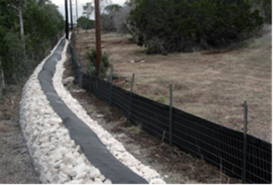
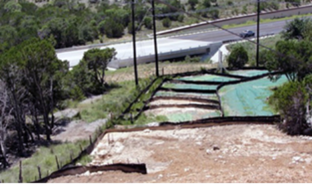
Examples of temporary sediment and erosion controls.
Money Saving Practices
These practices can be employed to prevent pollution from a construction site and avoid non-compliance fees or work stoppages:
- Phase construction sitework to minimize the soil areas exposed at any one time. Use topographically low areas as places to install sediment traps or sediment ponds.
- Divert upland runoff around your construction site whenever possible so upstream runoff can flow on without picking up loose soil from your disturbed and exposed soil.
- Shield and protect sensitive features like canyon rimrock, wetlands, and karst recharge areas from disturbed site runoff and divert runoff away from these features whenever practical.
- Do not clear cut a site. Preserve existing ground cover, trees, and shrubs when the site plan does not require specific landscape changes. If topsoil needs to be removed for grading or surface development, stockpile topsoil for later re-use to stabilize and re-vegetate the site. Likely the best soil to stimulate regrowth of ground cover and stabilization is the native soil and not soil imported from elsewhere at a high cost.
- Establish setbacks (also known as creek buffers or waterway setbacks) on both sides of waterways where construction is generally prohibited. Preserving natural vegetation near waterways is a key measure that results in low impact development and preservation of water quality.
- Sequence construction work from lower elevations first to upgradient locations last, stabilizing and re-vegetating disturbed areas immediately after grading work is completed. Whenever feasible, "rough cut" water quality and detention ponds first in sequence to allow these impoundments to collect sediment.
- Consider the time of year when site disturbance is completed and when re-vegetation will occur. Re-vegetation or other soil stabilization methods are required promptly following the end of construction regardless of time of year. To conserve water, it is best to avoid planting seed and irrigating disturbed areas in the hottest time of the year. Plant native, drought resistant grasses when it will readily germinate. Otherwise, plant seasonally appropriate grasses to establish temporary cover and follow with native, drought resistant grasses when the appropriate season arrives.
Considerations for Creating an Erosion and Sediment Control Plan
- Regulatory Requirements: Familiarize yourself with the erosion and sediment control regulations applicable to your project's location, as these may vary across jurisdictions.
- Site-Specific Factors: Thoroughly analyze the unique characteristics of the project site such as topography, soil type, and critical environmental features to identify potential erosion and sedimentation risks accurately.
- Best Management Practices (BMPs): Research and incorporate suitable BMPs that align with industry standards and have proven effectiveness in erosion and sediment control. (ex. Shielding Sensitive Areas: Shield and protect sensitive features like canyon rimrock, wetlands, and karst recharge areas from disturbed site runoff and divert runoff away from these features whenever practical.)
- Collaboration: Involve relevant stakeholders, including engineers, environmental experts, and project managers, to gather diverse perspectives and ensure a comprehensive plan.
- Flexibility and Adaptability: Account for unforeseen circumstances or changes during the project, such as extreme weather events by incorporating flexibility into the plan, allowing adjustments to control measures as needed.
- Education and Training: Provide necessary training and guidance to contractors and workers involved in implementing the erosion and sediment control measures to ensure proper implementation and maintenance.
- Documentation: Maintain detailed records of erosion and sediment control activities, including inspections, maintenance, and any modifications made to the plan.
References and Code
Travis County TNR is required by federal and state law to ensure that development in the unincorporated areas of Travis County adheres to storm water pollution prevention plan (SWP3) requirements. To implement these requirements, applicants must provide either a SWP3 Summary or a SWP3 Summary along with the SWP3.
Multi-Sector General Permit (MSGP): The MGSP fact sheet describes all the TPDES requirements including the SWP3 on the TCEQ website.
Texas Commission on Environmental Quality (TCEQ) Assistance Tools: TCEQ provides additional references and tools, such as an industrial pollution plan guide, to aid applicants in developing a comprehensive SWP3. The TCEQ provides an industrial pollution plan guide as an example on their Assistance Tools for Industrial Stormwater General Permit page with recommended templates.
Disclaimer
This website has been established to serve only as a supplement to the official documents, information, and services available from the County's governmental offices. While every effort has been made to offer the most accurate and current information available, the information included in this website has been compiled by County staff from a variety of sources and is subject to change without notice to the user.
Information is provided on this website on an "as is" basis. The County makes no representations or warranties of any kind regarding the completeness, accuracy, reliability, currency, or suitability of the information, products, services, or graphics contained herein. Users of this website are responsible for determining these characteristics in relation to official County documents and the user's individual needs.
Related Pages
Stormwater Permitting
Learn about stormwater requirements, permitting, pollution prevention, and protecting local water resources.
Permitting Center
Get started on a development project, file a complaint, or resolve a code violation.
Chapter 482
Review Travis County regulations and standards for development, construction, subdivisions, and water quality.
Can’t find what you’re looking for?
If you believe there’s missing information or need help, fill out the Contact & Feedback Form. We will get back to you shortly.
For other ways to reach us, visit our Contact page.