
An on-site sewage facility (OSSF) is a system that treats and disposes of wastewater on the property where it is produced. Septic systems are one type of OSSF, but other systems may be used depending on the property and site conditions.
Learn about different OSSFs, installation considerations, common problems to avoid, and the permitting or approval process that may apply to your project.
OSSF Permits and Approvals
Choose the process that applies to your project.
Non-Residential OSSF Permit
Learn how to apply for an OSSF permit for a non-residential property.
OSSF Subdivision Approval
Learn how to request OSSF approval as part of the subdivision process.
Installation Considerations
When installing an OSSF, there are several important considerations to keep in mind, such as:
- System Location must allow for proper drainage and soil absorption, and the system should be located away from wells, surface water, and property lines.
- System Designs should ensure the system can handle the anticipated wastewater volume and meet local regulations and requirements
- Correct Installation, including proper placement and connection of components, is needed to ensure the system functions effectively
- Regular Maintenance to ensure the system is functioning properly and to prevent issues
Common Pitfalls to Avoid
Many OSSF owners run into problems that can be costly and disruptive, but here are some common pitfalls you could avoid:
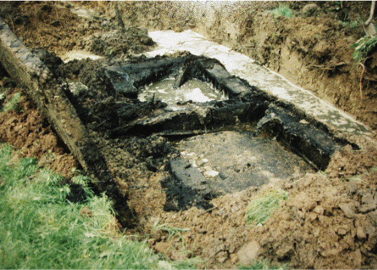
Neglecting Maintenance
Without regular maintenance, OSSFs can become clogged or fail, leading to expensive repairs and potential health hazards.
Improper Use
OSSFs are designed to handle only certain types of waste, such as human waste and toilet paper. Flushing inappropriate items down the toilet can lead to clogs and system failure.
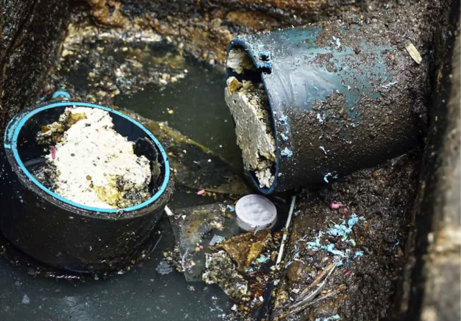
Example: Flushing toilet paper or feminine hygiene products
Overloading the System
OSSFs are designed to handle a specific amount of wastewater, so overloading the system by using large amounts of water can cause problems.
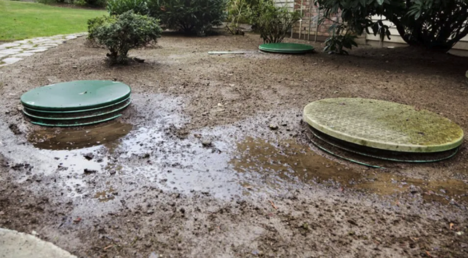
Example: Doing multiple loads of laundry in a single day
Discharging Improperly
OSSFs must be designed to discharge effluent (treated wastewater) properly. Discharging into surface water or onto neighboring properties can cause environmental damage and legal issues.
Is OSSF Different From a Septic System?
Septic Systems are a type of OSSF, but there are some key differences between the septic systems and the other types of OSSFs.
- Other types of OSSFs are typically used in areas where a septic tank and conventional/standard disposal methods are not suitable due to soil or other site conditions will not allow for placement. OSSFs can be designed to accommodate a variety of soil types and site conditions, allowing for wastewater treatment in areas where traditional septic systems would not work.
- OSSFs can use different treatment processes including septic tanks and traditional drainfields. While septic systems rely primarily on anaerobic bacterial digestion to treat wastewater, other OSSFs can use a variety of treatment processes, including aerobic treatment, filtration, and disinfection.
- OSSFs can range greatly in cost. Some OSSFs require more specialized design and equipment and often require ongoing maintenance and monitoring to ensure they are functioning properly.
Resources
Users of this website are responsible for determining these characteristics in relation to official County documents and the user's individual needs.
References and Code
Travis County Code:
- Chapter 448, OSSF
- Chapter 464, Floodplain Management
- Chapter 480, Residential Construction Standards
- Chapter 482, Development Regulations
Texas Commission on Environmental Quality (TCEQ):
- General Permit
- Title 16 TAC Chapter 11, Surface Mining And Reclamation
- Title 30 TAC
- Chapter 285, Onsite Sewage Facilities
- Chapter 330, Municipal Solid Waste Rules
- Chapter 335, Industrial Solid Waste and Municipal Hazardous Waste
Disclaimer
This website has been established to serve only as a supplement to the official documents, information, and services available from the County's governmental offices. While every effort has been made to offer the most accurate and current information available, the information included in this website has been compiled by County staff from a variety of sources and is subject to change without notice to the user.
Information is provided on this website on an "as is" basis. The County makes no representations or warranties of any kind regarding the completeness, accuracy, reliability, currency, or suitability of the information, products, services, or graphics contained herein. Users of this website are responsible for determining these characteristics in relation to official County documents and the user's individual needs.
Related Pages
Stormwater Permitting
Learn about stormwater requirements, permitting, pollution prevention, and protecting local water resources.
Permitting Center
Get started on a development project, file a complaint, or resolve a code violation.
Chapter 482
Review Travis County regulations and standards for development, construction, subdivisions, and water quality.
Can’t find what you’re looking for?
If you believe there’s missing information or need help, fill out the Contact & Feedback Form. We will get back to you shortly.
For other ways to reach us, visit our Contact page.